Measles is surging in Thailand, and the MMR vaccination is your strongest defence against severe symptoms. This vaccine effectively prevents measles and protects vulnerable populations who can’t be vaccinated, like infants and immunocompromised individuals.
Book Your Appointment Today!
Measles spreads easily through respiratory droplets, making timely vaccination essential. High community immunity helps safeguard everyone, especially those at risk. Stay informed and take action to protect your health. There’s more to investigate about how you can help combat this outbreak.
Key Takeaways
- The MMR vaccine is highly effective in preventing measles, offering approximately 97% protection with two doses.
- Measles spreads easily through respiratory droplets and can survive on surfaces for hours.
- Infants under 12 months and immunocompromised individuals are particularly vulnerable to severe symptoms.
- Community awareness and vaccination drives are crucial to combat misinformation and increase vaccination rates.
- Protect yourself and others by ensuring you and your family are up to date with MMR vaccinations.
Understanding the Measles Outbreak in Thailand
As the world grapples with various health challenges, awareness of the measles outbreak in Thailand becomes crucial for public health. The outbreak’s causes include a decline in vaccination rates, often due to misinformation and accessibility issues. Many families face vaccination barriers, such as financial constraints or a lack of awareness about the significance of immunisation.
This situation underscores the importance of effective community outreach and educational programs in addressing misconceptions and promoting the benefits of vaccination. By understanding these factors, you can play a crucial role in supporting public health initiatives. Encouraging conversations about vaccination and assisting those in need can significantly reduce the risks associated with measles and protect vulnerable populations from severe health complications.
The Importance of the MMR Vaccination
The MMR vaccination is highly effective in preventing measles, mumps, and rubella, significantly reducing the risk of outbreaks. By getting vaccinated, you not only protect yourself but also contribute to community immunity, helping shield those who can’t be vaccinated. Comprehending the importance of this vaccine is essential for maintaining public health and safety.
Vaccine Effectiveness Overview
MMR vaccination stands as a crucial defence against measles, mumps, and rubella, diseases that can lead to severe complications. The vaccine boasts high efficacy, significantly reducing the risk of infection and transmission of these viruses. When you get vaccinated, you not only protect yourself but also contribute to herd immunity, which safeguards those who can’t be vaccinated, such as infants and individuals with certain health conditions.
This collective immunity is essential in controlling outbreaks and ensuring community health. Studies show that two doses of the MMR vaccine provide about 97% efficacy against measles. By choosing vaccination, you’re making a responsible decision that helps protect your loved ones and the broader community from these potentially devastating diseases.
Community Immunity Benefits
When communities achieve high vaccination rates, they benefit from a protective layer known as herd immunity, which plays an essential role in controlling the spread of measles. By ensuring that a significant portion of the population is vaccinated, you help protect those who can’t receive the vaccine, like infants or individuals with certain health conditions.
This collective immunity reduces the chances of outbreaks and keeps everyone safer. High vaccination coverage not only shields vulnerable community members but also minimises healthcare costs associated with treating measles cases. In the face of recent outbreaks, it’s vital to understand that your decision to get vaccinated contributes to a healthier community. Together, through MMR vaccination, you can help maintain a strong defence against measles.
How Measles Spreads and Its Symptoms
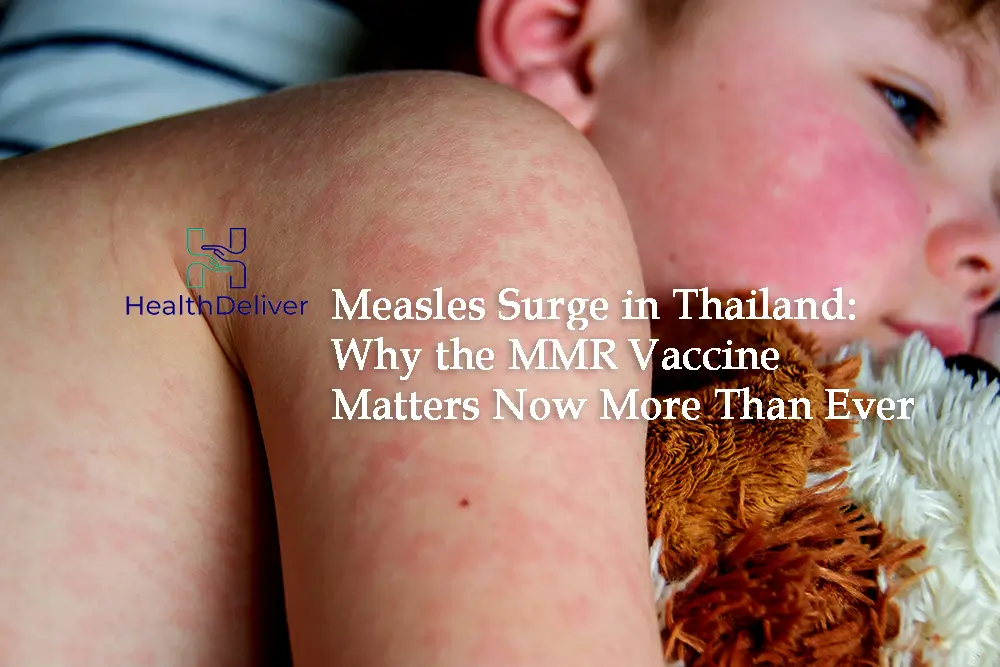
Measles spreads easily through respiratory droplets when an infected person coughs or sneezes, and you can catch it just by being in the same room. Common symptoms include a high fever, cough, runny nose, and a distinctive red rash that typically appears a few days after the initial signs. Comprehending these transmission methods and symptoms is essential in preventing outbreaks and protecting your health.
Transmission Methods Explained
Comprehending how measles spreads is essential for preventing outbreaks. Measles primarily uses airborne transmission as its primary mode of spread. When an infected person coughs or sneezes, tiny droplets containing the virus can linger in the air for up to two hours. You can contract measles just by being in the same room as someone who’s infected, even if you don’t see them.
The virus can also survive on surfaces for several hours, increasing the risk of transmission through indirect contact. Grasping these transmission routes helps you and your community take proactive measures to avoid infection. Vaccination with the MMR vaccine is your best line of defence, protecting you and others from serious health risks associated with measles.
Common Symptoms Identified
Recognising the common symptoms of measles is essential for early identification and intervention. Typically, you’ll notice a high fever, cough, runny nose, and sore throat. These initial symptoms are followed by a distinctive red rash that usually starts on the face and spreads downward.
The diagnostic criteria for measles include these classic symptoms, along with a history of exposure or vaccination status. Timely symptom management is vital; seeking medical advice can help mitigate complications. If you or someone you know displays these symptoms, especially after potential exposure, consult a healthcare professional immediately.
Early action not only aids recovery but also helps protect others from this highly contagious virus. Your vigilance can make a significant difference in community health.
Vulnerable Populations and Their Risks
While many people may feel secure in their immunity against measles due to vaccination, specific vulnerable populations remain at heightened risk for severe complications from the disease. High-risk groups, including infants, pregnant women, and individuals with weakened immune systems, need our awareness and support.
Consider the following:
- Infants: They can’t receive the MMR vaccine until they are 12 months old and are defenceless against severe complications.
- Pregnant Women: If infected, they face risks that can affect both their health and their unborn child.
- Immunocompromised Individuals: They may suffer life-threatening outcomes from measles, even if vaccinated.
Combatting vaccination hesitancy is vital to protecting these high-risk groups. Your actions can make a difference in safeguarding those who need it most.
Steps to Take if You Suspect Measles Infection
If you suspect a measles infection in yourself or someone else, it’s essential to act quickly to prevent further spread and protect vulnerable individuals. Start by recognising common symptoms, such as a high fever, cough, runny nose, and a distinctive rash. If these symptoms appear, avoid close contact with others, especially those who are unvaccinated or immunocompromised.
Measles is surging in Thailand, and the MMR vaccination is your strongest defence against severe symptoms. If the test is positive, follow your provider’s advice on isolation and treatment. Remember, timely action can help safeguard not only your health but also the health of those around you. Your vigilance plays a vital role in controlling this outbreak.
Community Efforts to Combat the Outbreak
As communities face the challenge of a measles outbreak, collaborative efforts become essential in curbing its spread and protecting public health. Community initiatives play a vital role in raising public awareness and increasing vaccination rates. Here are three ways you can get involved:
- Organise informational workshops** to educate families about the importance of MMR vaccination.
- Partner with local health agencies to host vaccination drives, making access easier for everyone in your community.
- Utilise social media to share accurate information and dispel myths surrounding measles and vaccinations.
Conclusion
In light of the recent measles surge in Thailand, getting the MMR vaccination is essential for protecting yourself and your community. Did you know that unvaccinated individuals are 28 times more likely to contract measles than those who are vaccinated? By ensuring you and your loved ones are up to date on vaccinations, you help reduce the spread of this highly contagious disease. Stay informed, take action, and safeguard your health against severe symptoms.
About HealthDeliver – Bangkok’s #1 Licensed Pharmacy with Home Delivery
HealthDeliver Clinic is proud to be recognised as Bangkok’s leading licensed pharmacy, offering fast, reliable access to prescription medications for both locals and expats. Located on Sukhumvit Soi 5, our clinic provides a seamless service that includes medical consultations, prescription issuance, and nationwide pharmacy delivery.
Book Your Appointment Today!
Whether you’ve received your prescription through our doctors or another licensed provider, we can arrange safe and discreet delivery straight to your home, hotel, or office. With a focus on convenience, care, and compliance, HealthDeliver ensures that managing your medication is hassle-free, wherever you are in Thailand.
FAQs About the MMR and MMRv Vaccine
Q: What is the MMR vaccine, and why should I get the MMR or MMRv vaccine?
A: The MMR vaccine is a combination vaccine that protects against measles, mumps, and rubella (German measles). It is recommended to get the MMR vaccine to prevent these serious diseases and their complications.
Q: How many doses of the MMR vaccine is given for Measles immunisation?
A: The MMR vaccine is given in 2 doses. The first dose is typically administered between 12 and 15 months of age, and the second dose is given between 4 and 6 years of age.
Q: What is the safety of the Measles vaccine?
A: The safety of the MMR vaccine has been extensively studied, and it is considered safe and effective. The CDC and other health organisations recommend it as part of the routine childhood immunisation schedule.
Q: Can the MMR vaccine protect against measles?
A: Yes, the MMR vaccine protects against measles. After receiving the recommended doses, the majority of individuals develop immunity and are vaccinated against measles.
Q: Is the MMR vaccine a live vaccine?
A: Yes, the MMR vaccine is a live vaccine. It contains weakened forms of the viruses that cause measles, mumps, and rubella, which help the body build immunity.
Q: What are the risks of getting measles if I don’t get the MMR vaccine?
A: If you do not get the MMR vaccine, you are at a higher risk of getting measles, which can lead to severe complications such as pneumonia, encephalitis, and even death in some cases.
Q: What should I do if I am unable to receive the MMR vaccine?
A: If you cannot have the MMR vaccine due to medical reasons, such as a severe allergy or immune deficiency, consult your healthcare provider for alternative options and additional protective measures.
Q: Does the MMR vaccine have any connection to autism?
A: Extensive research has shown no connection between the MMR vaccine and autism. Claims linking the MMR vaccine to autism have been discredited, and the vaccine is safe for use according to the CDC.
Q: When is the MMR vaccine typically given?
A: The MMR vaccine is typically given during early childhood, with the first dose administered at 12 to 15 months of age and the second dose between 4 to 6 years of age as part of routine measles immunisation schedules.